Littoral​ Society

  • Home
  • What We Do
    • Conservation
    • Education
    • Advocacy
    • Fish Tagging
    • Presentations
  • Where We Work
    • Sandy Hook
    • Barnegat Bay
    • Delaware Bay
    • Jamaica Bay
    • Sarasota Bay
  • Who We Are
    • History
    • Staff
    • Officers & Trustees
    • Financial Accountability
    • Justice
    • Contact Us
  • Newsroom
    • Littoral News
    • Press Releases
    • Videos
    • Publications
    • Reports
  • Blog
  • Join Us
    • Donate
    • Membership
    • Fish Tagging Membership
    • Sponsor
    • Upcoming Events
    • Overnight Trips
    • Volunteer
    • Jobs
  • Store

The Society Blog

Menhaden Decisions This Fall: Help Keep Our Coast Fed

9/14/2026

3 Comments

 
Big decisions are coming for the “most important fish in the sea.” Here’s why they matter, what managers will decide, and how you can speak up.
PictureAn osprey catching a gizzard shad. Photo credit: Sue Allen

​Bunker Feed the Coast

 
Have you ever seen a patch of rippling ocean that looks like wind moving across the water? Or a flock of birds circling and diving in one place? You may have been watching a school of bunker.
 
Atlantic menhaden, also known as bunker, are schooling fish that fuel our coastal food web.

Menhaden connect plankton at the bottom of the food web to the fish and wildlife people see, catch, and care about. As they move through estuaries and along our coasts, they feed striped bass, bluefish, tuna, gannets, ospreys, whales, and many other predators. They also support recreational fishing, bait fisheries such as crabbing, charter businesses, and bird- and whale-watching tourism. Other forage fish, including blueback herring, have declined, making healthy menhaden populations and careful management more important than ever.
 
This November, the Atlantic States Marine Fisheries Commission (ASMFC), the interstate body that manages menhaden, will decide how many fish may be caught along the coast and whether to strengthen protections in Chesapeake Bay. The American Littoral Society is urging our ASMFC representatives to support limits that leave enough menhaden in the water for wildlife, fisheries, and coastal communities. Public comments on the Chesapeake Bay proposal are due October 9. Read on to learn more.
PictureA school of bunker. Photo Credit: Sue Allen
​


​Why Industrial Harvest Deserves Scrutiny
 
Menhaden support two commercial fisheries. The bait fishery supplies anglers, crabbers, and lobster fishermen. The much larger industrial “reduction” fishery turns menhaden into fishmeal and oil used in products such as animal feed and supplements. The Atlantic Coast’s only remaining menhaden reduction plant is Omega Protein’s facility in Reedville, Virginia. According to ASMFC documents, this single company harvests about 67% of the entire coastwide quota. The size and concentration of this industrial harvest have led many groups to call for an end to the reduction fishery.
 
This November, ASMFC will consider new restrictions because such concentrated harvest may leave fewer menhaden for predators and other fishermen.

Picture
Tagging a striped bass, one of the species that rely on bunker as a food source
​
​Why the Reduction Fishery Quota Should Be Lowered
 
The latest stock assessment found that scientists had overestimated the menhaden population by an average of 37%. In other words, there were fewer fish than managers thought. Because catch limits were set using that inflated estimate, managers should now reduce fishing pressure and leave more menhaden in the water for the predators that depend on them.
 
ASMFC created an ecological reference point, or ERP, to limit fishing pressure and leave enough menhaden as food for predators, especially striped bass. Yet when managers set the 2026 catch limit, their projections showed a 100% chance that fishing pressure would exceed the ERP target. Although the Board recognized the need for a substantial cut, it chose a higher quota because of concerns about making a large economic change in one year. As a result, managers knowingly adopted a catch limit that was projected to miss their own ecosystem goal.
 
Ospreys provide another warning sign. Observations along the coast have documented declining reproductive success. Research published this year found widespread breeding problems among Chesapeake Bay ospreys and identified reduced menhaden availability as a likely primary cause.
 
Taken together, this evidence supports limits on industrial harvest while maintaining a sustainable bait fishery.
Picture
Scientists are now documenting poor nesting success in parts of Chesapeake Bay, New Jersey, New York and other areas. Reduced Atlantic menhaden availability is a suspected cause.
More Reasons We Need Stronger Protections for Menhaden
​
  • More bunker can mean better fishing. NJ Fish & Wildlife said strong striped bass fishing in 2022 was partly due to large, reliable schools of menhaden staying along the coast longer.
 
  • Menhaden support jobs and the regional economy. A  2026 study estimated that fishing trips using menhaden as bait, chum, or scent generated $804 million and supported 7,270 jobs.
 
  • Chesapeake and Delaware bays help feed the coast. Young menhaden usually spend their first year in estuaries before joining adult schools in the ocean. This makes these bays important nursery areas for the wider coastal food web.
 
  • Bluefin tuna can rely heavily on bunker. Among Atlantic bluefin tuna sampled off North Carolina in the winter of 2004–2005, menhaden made up nearly 99% of the prey by weight.
 
  • Many New Jersey osprey nests are failing. In 2025, Researchers reported 57% of monitored active nests produced no young. Researchers reported food shortages as well as weather-related challenges. Osprey in Jamaica Bay, New York, are also declining
 
  • Much of the Chesapeake Bay industrial catch happens in a short period. In both 2023 and 2024, the reduction fishery took more than half of its annual Bay harvest in about six weeks during midsummer.
 
  • One industrial fishery takes most of the coastwide quota. The reduction fishery takes over 67% of the entire coastwide menhaden quota, and about half of that catch comes from Chesapeake Bay.
Picture
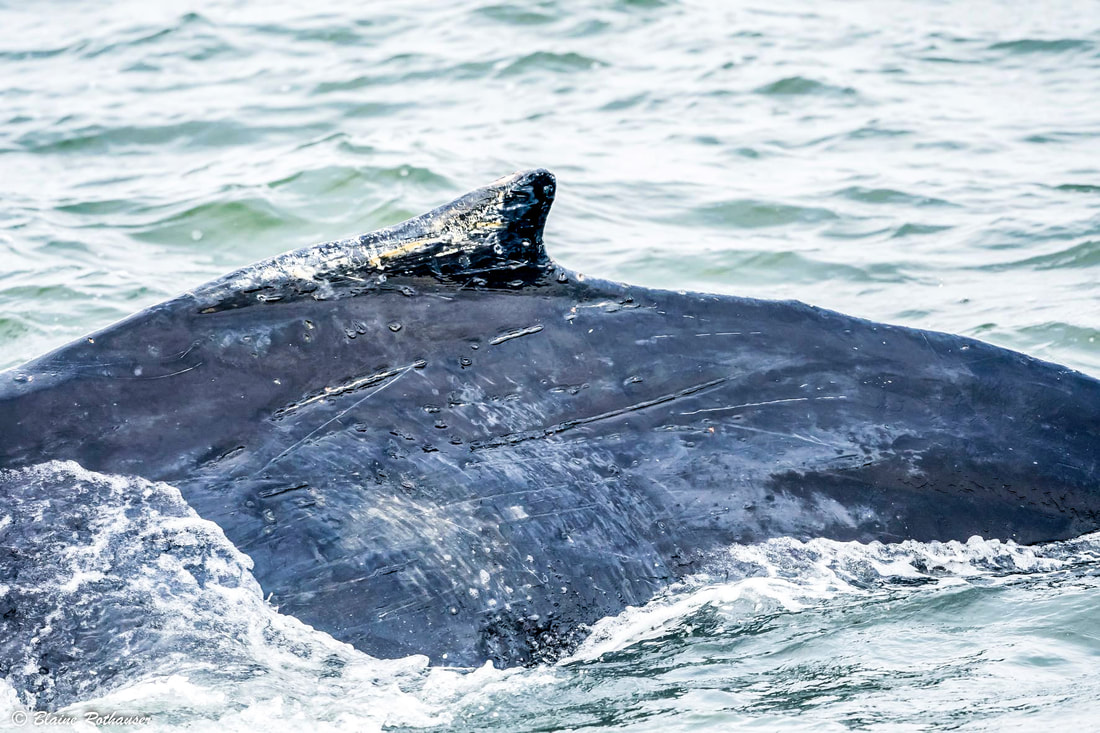
Several species of marine mammals, including whales, rely on the presence of large schools of menhaden

​Two decisions must work together to leave more menhaden in the water.

 
1. Protect menhaden in Chesapeake Bay. The Bay is an important nursery for young menhaden. As these fish migrate, they help feed coastal waters from New Jersey and New York to other parts of the Atlantic Coast.
Draft Addendum II would set how many menhaden the reduction fishery may catch in Chesapeake Bay and when that fishing may occur. We support cutting the Bay’s reduction-fishery cap by at least 50%, spreading the allowed catch more evenly across the season, and reviewing the cap at least once every three years. We also support keeping a separate limit for Chesapeake Bay instead of automatically tying it to the coastwide quota.
 
2. Reduce total catch along the entire coast. We support lowering the coastwide total allowable catch, or TAC, to match the updated science. The revised assessment found that the average estimate of menhaden biomass (the total weight of fish in the population) was 37% lower than previously believed. This means managers had been setting catch limits based on an inflated estimate of how many fish were available.
 
ASMFC established an ecological reference point, or ERP, target for fishing pressure to account for menhaden’s role as food, particularly for striped bass. Yet when managers set the 2026 catch limit, their projections showed a 100% probability that fishing pressure would exceed that target. The Board chose a larger quota, citing concerns about the economic effects of a substantial cut in one year. Managers knowingly adopted a limit projected to fall short of their own ecosystem goal.
 
A year has passed, and managers now have an opportunity to correct that decision. We support cutting the coastwide catch limit by more than 50% from the 2026 level. We also urge managers to choose a limit with a better-than-even chance of meeting ASMFC’s ecosystem target.
Picture
Menhaden are crucial to the recreational fishing and ecotourism industries

​Speak up by October 9

You do not need to be a fisheries expert to participate. Tell managers why healthy coastal waters matter to you.
 
  • Send a comment: Email [email protected] with the subject “Atlantic Menhaden Draft Addendum II and 2027–2029 Catch Limits.” Include your name, your state, your personal connection to the issue, and why stronger protections matter to you. Ask managers to cut the Bay’s industrial harvest cap by at least 50%, spread the allowed harvest more evenly across the season, and make a substantial coastwide catch reduction that meets ASMFC’s ecosystem target.
 
  • Use the survey: Follow ASMFC’s public-comment instructions and ASGA’s option-by-option guide can help you understand the choices before you respond.
 
Submit your comments by the October 9, 2026, the deadline for public input on Addendum II.
 
More bunker in the water means more food for the coast we love. Help us make that the priority this November.
Picture
3 Comments
Freda Karpf link
9/16/2026 01:11:43 pm

Thank you for this important information.

Reply
L. Branson link
9/23/2026 02:39:17 pm

The Osprey have spoken. It's time to adjust the numbers. Consider fishing nurseries to support the population. It can redirect employment options.

Reply
Steven Tourt
10/1/2026 08:13:08 pm

I have noticed as a fisherman a decline in bunker and also Osprey on both the nort and south shores of long island

Reply


Leave a Reply.

    BLOG HOME

    Archives

    September 2026
    August 2026
    July 2026
    June 2026
    May 2026
    April 2026
    March 2026
    February 2026
    January 2026
    December 2025
    November 2025
    October 2025
    September 2025
    August 2025
    July 2025
    June 2025
    May 2025
    April 2025
    March 2025
    February 2025
    January 2025
    December 2024
    November 2024
    October 2024
    September 2024
    August 2024
    July 2024
    June 2024
    May 2024
    April 2024
    March 2024
    February 2024
    January 2024
    December 2023
    November 2023
    October 2023
    September 2023
    August 2023
    July 2023
    June 2023
    May 2023
    April 2023
    March 2023
    February 2023
    January 2023
    December 2022
    November 2022
    October 2022
    September 2022
    August 2022
    July 2022
    June 2022
    May 2022
    April 2022
    March 2022
    February 2022
    January 2022
    December 2021
    November 2021
    October 2021
    August 2021
    July 2021
    June 2021
    May 2021
    April 2021
    March 2021
    February 2021
    January 2021
    December 2020
    November 2020
    October 2020
    September 2020
    August 2020
    July 2020
    June 2020
    May 2020
    April 2020
    March 2020
    January 2020
    November 2019
    October 2019
    September 2019
    August 2019
    July 2019
    June 2019
    May 2019
    April 2019
    March 2019
    February 2019
    January 2019
    December 2018
    November 2018
    October 2018
    September 2018
    August 2018
    July 2018
    June 2018
    May 2018
    April 2018
    March 2018
    February 2018
    January 2018
    December 2017
    November 2017
    October 2017
    September 2017
    August 2017
    July 2017
    June 2017
    May 2017
    April 2017
    March 2017
    February 2017
    January 2017

     Subscribe in a reader

    Categories

    All
    5k
    Action
    Advocacy
    Amazon
    Art
    Asbury Park
    Ballot Question
    Barnegat
    Bay
    Beach
    Benefit
    Biomedical
    Breakfree
    Camp
    Celebration
    Cleanup
    Climate
    Coast
    Conservation
    Crafts
    Delaware Bay
    Delbay
    Drilling
    Dune
    Dune Grass
    Earth Day
    Earthday
    Economy
    Eggs
    Election
    Estuary
    Event
    Family
    Fishing
    Fun
    Global Warming
    Horseshoe Crab
    Jamaicabay
    Legislation
    Litter
    Live Music
    Lobster
    Long Beach Island
    Marine Science
    NJ
    NY
    Oil
    Open Space
    Oyster
    Oystere
    Parade
    Party
    Plastic
    Policy
    Pollution
    Protect
    Race
    Rain Garden
    Red Knot
    Reef
    Restoration
    River
    Run
    Sandy Hook
    Shark Fin
    Shell-a-bration
    Shell Bagging
    Shore
    Shorebird
    Summer
    Superstorm Sandy
    Surfcasting
    Tag
    Tagging
    Tourism
    Volunteer
    Wetlands
    Wreck Pond

     Subscribe in a reader

Picture
18 Hartshorne Drive
​Highlands, NJ 07732

What We Do

Education
Conservation
Restoration
Advocacy
Fish Tagging

Where We Work

Sandy Hook
Barnegat Bay
Delaware Bay
Jamaica Bay
Sarasota Bay
National Policy

Who We Are

History
Staff
Officers & ​Trustees
Financials
Contact Us

Newsroom

Blog
Press Releases
Videos
Publications
Reports

Join Us

Memberships
Donate
Sponsor
Upcoming Events
Field Trips
Volunteer
Jobs
Picture
Donate
Membership
Mailing List
Volunteer
Privacy Policy
Copyright ​© 2017, American Littoral Society, All Rights Reserved
Photo from A. Strakey